
Beyond Orders: How Who’s Next Is Becoming a Growth Platform for Fashion Brands
As retail fragments and international expansion becomes more complex, trade shows can no longer rely on transactions alone. Their growing value lies in connecting brands with market intelligence, professional education, media visibility and long-term communities.
By Founder & Editor-in-Chief of M VIEW

For decades, the purpose of a fashion trade show appeared straightforward: brands presented their collections, buyers placed orders, and both sides returned the following season. That transactional model has not disappeared, but it is no longer enough.
Today, independent labels are navigating fragmented distribution, rising internationalisation costs and an increasingly crowded attention economy. Buyers, meanwhile, must assess not only whether a collection is attractive, but whether the brand behind it has a coherent identity, reliable production, realistic pricing and the ability to create demand.
In this environment, the most relevant trade shows are evolving from temporary marketplaces into broader growth platforms.
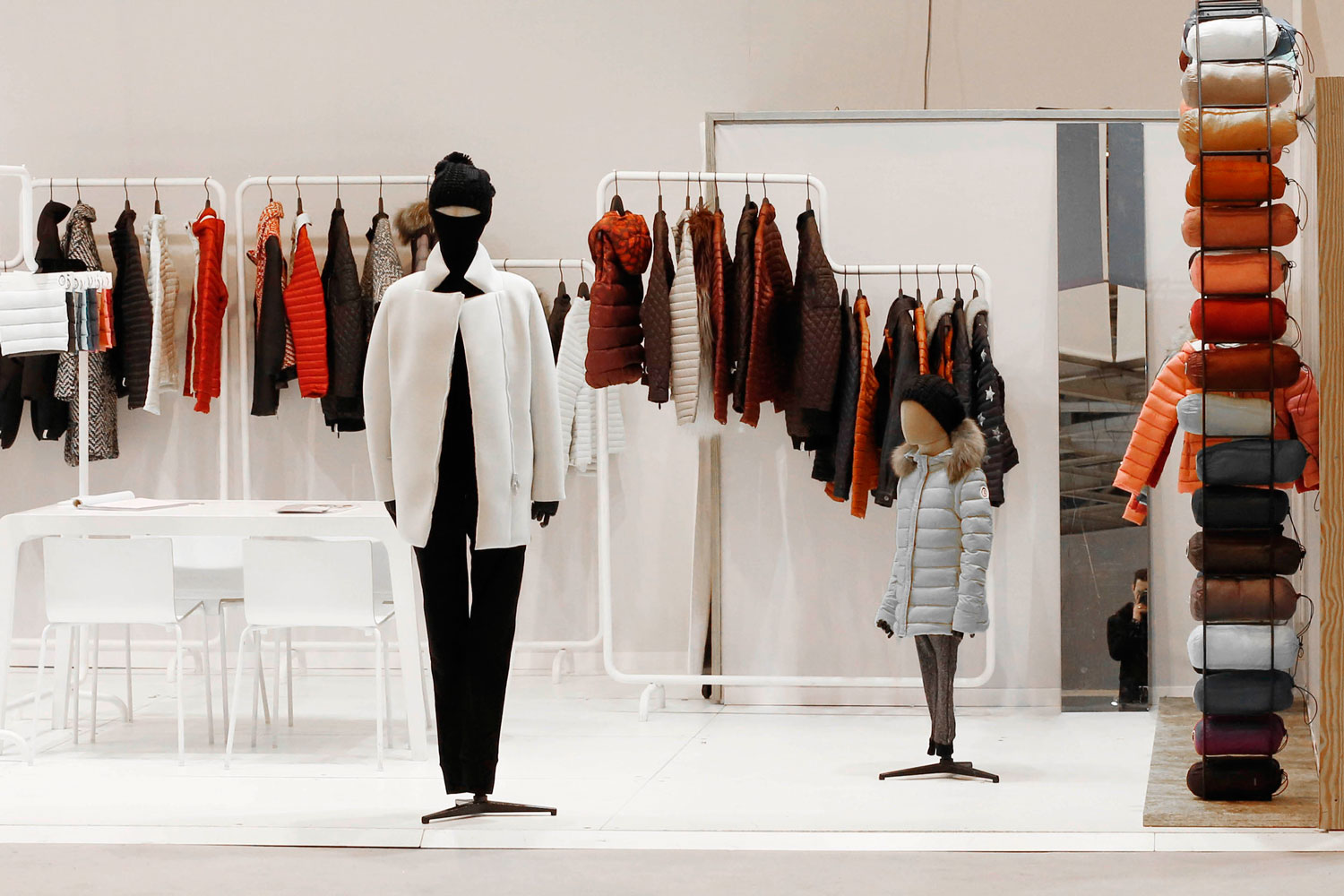
Who’s Next, taking place at Paris Porte de Versailles from 5 to 7 September 2026, illustrates this transformation. The event brings together approximately 1,200 exhibiting brands and attracts around 38,000 visitors per edition, 70% of whom are buyers representing retailers, department stores, multibrand boutiques and e-commerce companies. Yet the scale of the event tells only part of the story. Its conferences, masterclasses, workshops and professional forums reveal how the needs of the industry have changed. Who’s Next official information
From Product Display to Market Intelligence
A brand once attended a trade show primarily to present products. Today, it must also understand where those products belong.
Which markets are responding to the collection? What price architecture makes sense? Does the brand need an agent, a distributor or a direct relationship with retailers? Which parts of its story are meaningful internationally, and which are lost in translation?
The trade show therefore becomes a place of interpretation. Conversations with buyers, journalists, consultants and other founders can provide an immediate reading of the market that online analytics alone cannot offer.
This explains the growing importance of initiatives such as WSN Academy, designed to develop the practical and technical skills of retailers and exhibitors. The message is significant: access to buyers is valuable, but brands also need the knowledge required to build sustainable commercial relationships.
Who’s Next is similarly extending its role through B2B tools and partnerships. Fashop supports brands’ professional growth, while PagesMode connects more than 3,600 brands with a database of 25,700 stores. The group’s partnership with Ankorstore creates another bridge between brands and independent European retailers. These services continue the commercial relationship beyond the physical dates of the show.
The trade fair is no longer simply three days in Paris. It is becoming an ecosystem that operates before, during and after the event.
Values Must Become Verifiable
Another shift concerns responsibility. Sustainability can no longer remain a vague sentence in a press release. Buyers increasingly need concrete information about materials, production, traceability and pricing.
Through IMPACT and Neonyt Paris, Who’s Next gives eco-responsible fashion and design a dedicated space. Its importance lies not only in highlighting responsible brands, but in making sustainability part of a professional discussion about sourcing, distribution and commercial viability.
For emerging labels, values must now be translated into evidence. A compelling creative identity may attract attention, but credibility depends on whether a brand can explain how its products are made, why they are priced as they are and how its commitments influence real business decisions.
What Chinese Brands Should Prepare Before Entering Europe
This evolution is particularly relevant to Chinese brands seeking opportunities in France and the wider European market.
Bringing a strong collection to Paris is only the beginning. A brand also needs a clearly articulated local narrative, a realistic distribution strategy and professional communication materials adapted to European buyers and media.
Too many brands approach international expansion as a visibility exercise. They invest in a showroom or exhibition stand but arrive without identifying the retailers they want to meet, the price segment they occupy or the cultural context through which their work should be understood.
Before attending a European trade show, a Chinese brand should be able to answer four questions:
- What makes the brand relevant beyond its domestic market?
- Which European retailers are genuinely compatible with its positioning?
- Can its wholesale prices, delivery calendar and production capacity support international orders?
- How will it maintain relationships with buyers and media after the event?
Cultural identity can be a strength, but it should not be reduced to decorative symbols or a generic “Chinese designer” label. The more persuasive approach is to explain how the brand’s creative language, materials and business model contribute something distinctive to the international market.
This is also where specialist media can play a meaningful role. Media coverage should not merely reproduce a brand introduction. It should translate context, examine creative and commercial relevance, and help different markets understand one another.
The Future Trade Show Is a Connector
Physical trade shows retain an advantage that digital platforms cannot entirely reproduce: concentrated human attention. A buyer can touch a textile, examine construction, question a founder and compare different propositions within the same day. Trust can form more quickly in person.
But physical presence alone no longer guarantees value. The strongest platforms will be those capable of connecting products with knowledge, buyers with communities, values with evidence and short-term encounters with long-term relationships.
That is the larger significance of Who’s Next’s evolution. The future of the trade show will not be defined by the number of stands it can accommodate, but by the quality of the connections it enables.
For brands, the central question is therefore no longer simply, “How many orders did we receive?”
It is: What did we learn, whom did we convince, and which relationships will still matter after the doors close?
Source: Who’s Next — official event and programme information